Prevent Kids From Getting Sick at School
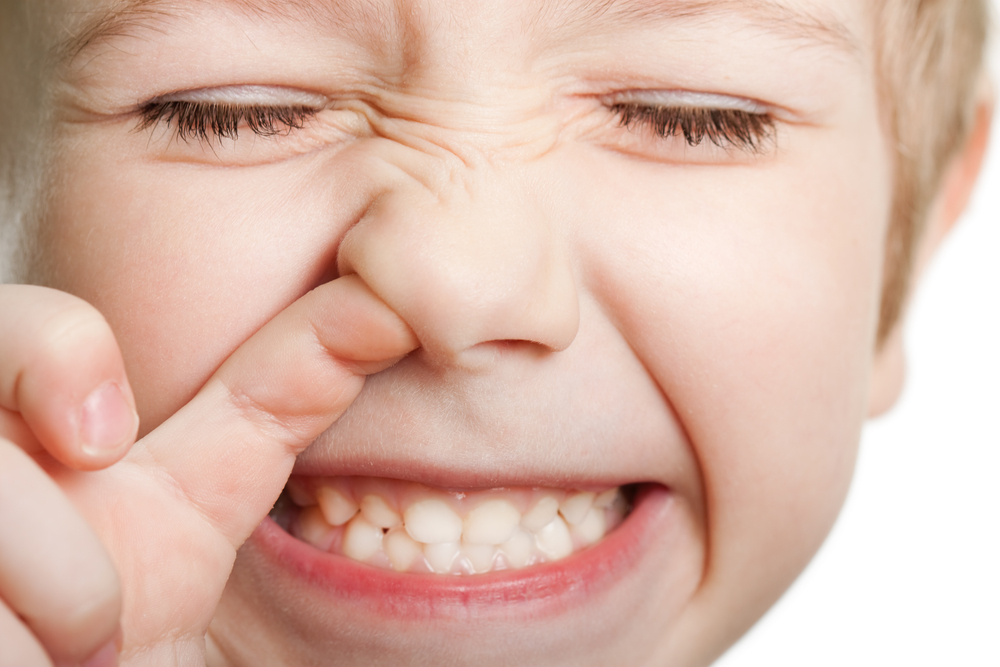
Can you actually prevent your child from getting sick at school?
Yes. And also…no.
Kids are going to get sick, especially younger children. But there are things you can do to reduce their chances of bringing home every cold and stomach bug that circulates through school.
Here's what I recommend as a pediatrician, including a few products worth considering - and several you can skip.
1. Teach Your Kids Three Handwashing Rules
If you're going to focus on one habit, make it handwashing. It's one of the most effective ways to reduce the spread of infections.
You can't follow your child around school reminding them not to touch their face. But you can teach them to wash their hands at three specific times:
-
After using the bathroom. Every single time.
-
Before eating. Before meals and snacks, whether at home or school.
-
When they come into the kitchen to help prepare food. Clean hands before handling anything they're going to eat.
The trick is to make these automatic habits rather than occasional reminders. When everyone in the family washes their hands before dinner, children start to think of handwashing as simply part of eating.
Soap and water are best, especially for stomach viruses like norovirus. When a sink isn't available, hand sanitizer containing at least 60% alcohol is a convenient alternative, although it doesn't work as well against norovirus.
Products worth buying:
-
Touchland Power Mist — A portable hand sanitizer that older kids may actually enjoy using.
-
Bath & Body Works PocketBac Holder — A clip-on holder that attaches to a backpack or lunch bag.
2. Stop Sharing Germs Along With School Supplies
Here's another simple rule: Don't share things that go in your mouth.
Teach children not to share water bottles, utensils, straws, or lip balm. Label their belongings so they can easily recognize their own.
Products worth buying:
-
Owala FreeSip Water Bottle — A reusable bottle with a covered drinking spout.
-
Hydro Flask Kids Water Bottle — Durable and easy to identify with a name label.
-
Mabel's Labels — Waterproof personalized labels for bottles, lunch containers, and other school supplies.
You don't need to disinfect every surface in your home. Regular cleaning of high-touch surfaces is reasonable, but I'd spend much more energy teaching handwashing than trying to sterilize everything your child touches.
3. Don't Waste Money on "Immune-Boosting" Supplements
Walk through the children's vitamin aisle and you'll find bottles promising "immune defense," "immune support," and all sorts of wonderful things.
Unfortunately, supporting normal immune function isn't the same as preventing infections.
Here's what the science tells us:
Vitamin C: Essential for immune function, but taking extra vitamin C every day doesn't prevent colds in most children. Regular supplementation may modestly shorten colds, but starting it after symptoms appear hasn't shown consistent benefits.
Zinc: Some studies suggest oral zinc, started early in a cold, may shorten symptoms. However, the evidence is uncertain, especially in children, and zinc can cause nausea and other side effects. I wouldn't routinely give it to children to prevent school illnesses.
Elderberry: Despite its popularity, there isn't convincing evidence that elderberry supplements prevent colds in children.
Echinacea: Some studies of specific echinacea formulations have shown promising results, but findings are inconsistent. Different products contain different species, plant parts, and concentrations, making it difficult to recommend a particular supplement for routine prevention.
My recommendation: Unless your child has a nutritional deficiency or another specific medical reason for supplementation, save your money. A gummy with "immune support" on the label isn't a substitute for good health habits.
4. Consider Nasal Saline
Here's one inexpensive product I really like: nasal saline.
Saline sprays and rinses help moisturize the nasal passages, loosen mucus, and wash away irritants and allergens. There's also interesting research suggesting that salt solutions may support antiviral defenses in nasal cells.
We don't yet have strong evidence that spraying saline into a healthy child's nose every morning prevents school infections. But it's a low-risk option for children who tolerate it, particularly those with nasal congestion or allergies.
Products worth considering:
-
Little Remedies Saline Spray + Drops — A gentle option for younger children.
-
Boogie Mist Saline Nasal Spray — A child-friendly saline mist.
-
NeilMed NasaMist Saline Spray — A convenient, ready-to-use sterile saline spray.
A gentle saline mist is different from a high-volume sinus rinse. For nasal irrigation, always use distilled, sterile, or previously boiled and cooled water, and choose an age-appropriate method.
5. What About Xylitol Nasal Spray?
Xylitol is a naturally occurring sugar alcohol commonly used in sugar-free gum because it helps prevent cavities.
It's also an ingredient in some nasal sprays.
Laboratory studies suggest xylitol may interfere with the ability of certain microorganisms to attach to surfaces in the nose. That's intriguing because the nose is one of the main entry points for respiratory viruses.
However, we don't yet have good evidence that regularly using xylitol nasal spray prevents colds in schoolchildren.
Product to know:
-
Xlear Nasal Spray — A saline nasal spray containing xylitol.
I use xylitol nasal spray myself, but I consider it an optional product rather than a proven infection-prevention strategy. It can cause nasal irritation, and I'd check age recommendations before using it in children.
And while xylitol gum has dental benefits, we don't have evidence that chewing it prevents respiratory infections.
The Bottom Line
If your child catches several colds this school year, it doesn't necessarily mean their immune system is weak. And it certainly doesn't mean you forgot to buy the right vitamin.
Children are developing immunity while spending their days surrounded by other children. Some infections are inevitable.
The goal isn't to raise a child who never gets sick. It's to reduce unnecessary exposure, support their health, and avoid spending money on products that promise more than science can deliver.
And with a little luck, maybe they'll make it through picture day without a runny nose.
For more surprising science and practical parenting advice, listen to The Pediatrician Next Door, wherever you get your podcasts.
Is My Child Starting Puberty? What’s Normal - and What’s Too Early?


