Is Your Child’s Snoring Normal? The Hidden Clues Parents Miss
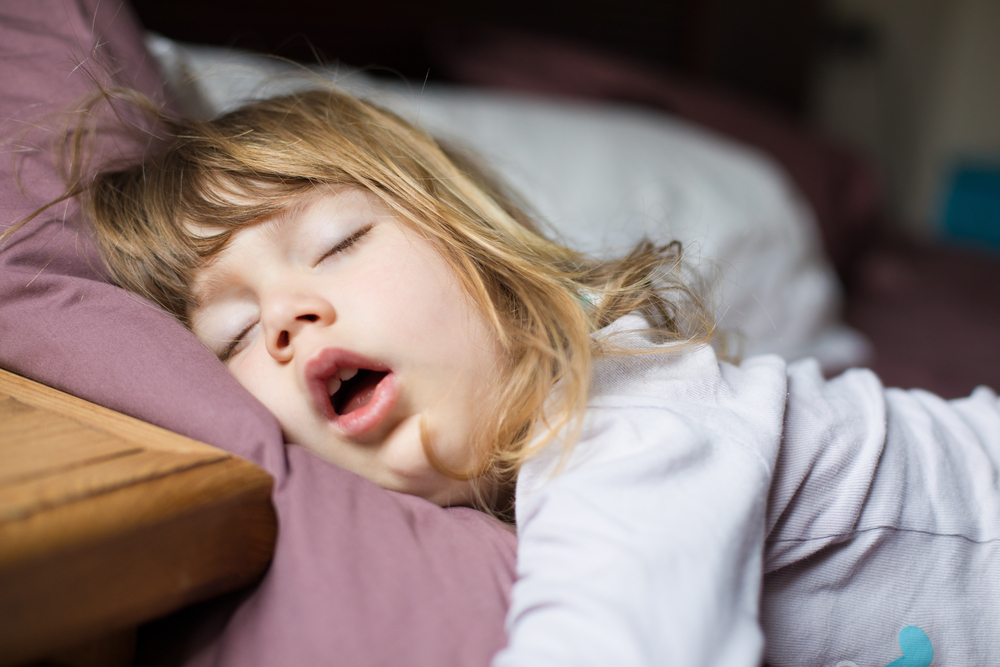
Be honest — have you ever wanted to shove your partner (or maybe even your kid) because they were snoring?
We love our sleep, and nothing ruins it faster than the sound of a tiny chainsaw buzzing in the next bed.
But when that snore is coming from your child, it’s worth taking a closer listen. Because snoring isn’t just a funny noise — it can be a clue that your child’s body is working too hard to breathe.
Why Kids Snore
Most kids snore once in a while — when they have a cold, allergies, or stuffed-up noses. But if the snoring happens most nights, that’s when it can point to something deeper.
Snoring means that air is struggling to move through the airway. The vibration you hear is soft tissue flapping as your child tries to pull in enough air. Every little snort or gasp can briefly wake the brain, keeping them from reaching deep, restorative sleep.
And here’s the twist: kids who sleep poorly don’t always seem tired. They might seem wired instead — emotional, impulsive, or restless. I’ve seen kids evaluated for ADHD who were actually dealing with sleep-disordered breathing. Their brains were running on fumes.
Why Breathing Shapes More Than Sleep
When children breathe through their noses, their tongues rest gently on the roof of the mouth — a position that helps guide healthy growth of the jaw, palate, and airway.
But if they’re mouth breathing, the tongue drops down, the muscles of the face pull differently, and over time, that can narrow the airway even more.
Dr. Shereen Lim, dentist and author of Breathe, Sleep, Thrive, explains that airway health is built through movement — the way we breathe, chew, and swallow actually trains the muscles that support healthy breathing. If those muscles develop the wrong way, kids can end up in a cycle of snoring, mouth breathing, and poor sleep.
When to Worry
You don’t need to panic if your child snores once in a while. But if it’s happening more than three nights a week when they’re not sick, it’s worth checking out.
Watch for these signs:
Regular snoring, gasping, or pauses in breathing
Restless sleep or night sweats
Mouth breathing (day or night)
Teeth grinding
Morning crankiness or hard-to-wake mornings
Behavioral or focus problems at school
If these sound familiar, talk to your pediatrician. They might refer you to an ENT, sleep specialist, or an airway-focused dentist.
The Good News
The great news is that this is treatable — and catching it early can change everything.
Treatment might include managing allergies, addressing enlarged tonsils, or working with specialists to guide healthy jaw and muscle development.
When kids breathe better, they sleep better — and that helps everything from learning and mood to growth and overall health.
The Bottom Line
If your child snores, don’t ignore it — listen to it.
It might just be your first clue in a mystery you can actually solve.
🎧 Listen to the full episode:
Is Your Child’s Snoring Normal? The Hidden Clues Parents Miss
Dr. Wendy Hunter talks with dentist and sleep expert Dr. Shereen Lim about how breathing affects development, and what parents can do to help their kids breathe — and thrive — better. Scroll for the link!

The Food Pyramid Is Back — Here’s What It Really Means