Is Your Baby’s Bedroom as Healthy as You Think? Crib Mattresses and Hidden Chemicals
Parents spend an incredible amount of time thinking about what goes into their baby’s body. But what about the environment surrounding our children while they sleep?
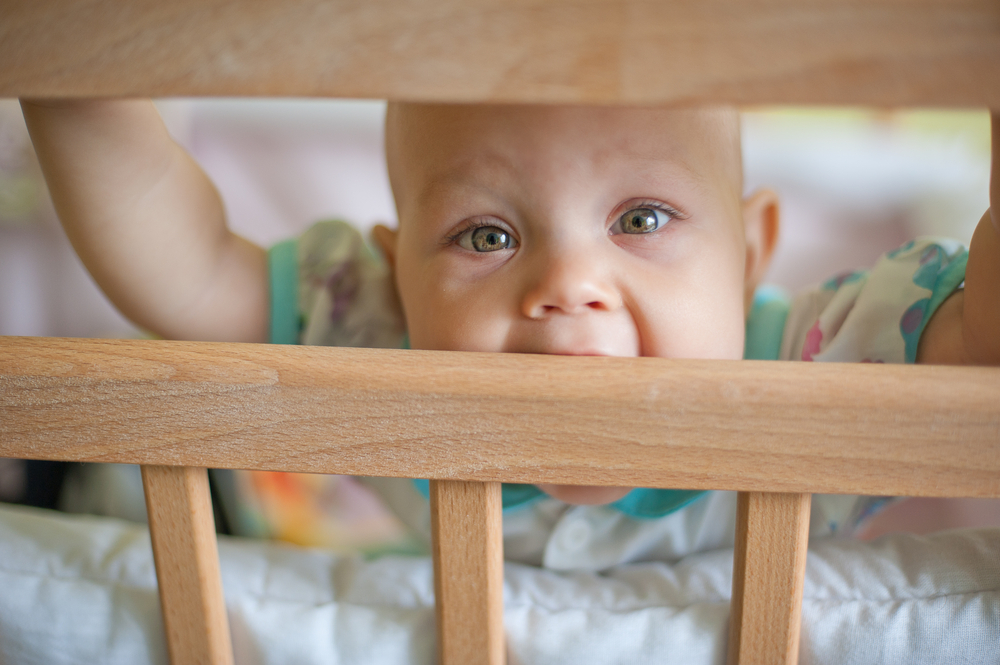
Babies spend 10 to 16 hours a day sleeping, often with their faces just inches from a mattress, sheet, carpet, or upholstered chair. Yet most of us rarely stop to wonder what those products are made of.
While researching crib mattresses for an interview, I expected to learn about firmness and comfort. Instead, I discovered an emerging area of research that looks at chemicals released from some foams, plastics, adhesives, waterproof coatings, and flame-retardant materials used in mattresses and bedding.
The science is still developing, and it's important not to overstate what we know: finding a chemical in a mattress does not mean it causes disease. But researchers are now asking thoughtful questions about whether long-term, low-level exposure during infancy could have health implications.
Off-Gassing
Another term parents may encounter is off-gassing, which refers to the slow release of volatile organic compounds (VOCs) from certain materials over time. New mattresses, furniture, carpets, paints, and even wallpaper can off-gas as volatile organic compounds, or VOCs, slowly evaporate into the air. Most of us have noticed that distinctive “new car” or “new furniture” smell - that odor is actually a mixture of VOCs being released. While these emissions generally decrease over time, researchers are interested in whether repeated exposure during infancy, when babies spend so many hours sleeping and breathe more rapidly than adults, could contribute to cumulative chemical exposure. The science is still evolving, but it has prompted many families to look more closely at the materials surrounding their children while they sleep.
Choosing a Crib Mattress
Of course, chemicals are only part of the conversation. Firmness, breathability, moisture resistance, and durability all matter when choosing a crib mattress. A mattress that traps moisture can potentially support mold growth if it stays damp, which is one reason some manufacturers now use waterproof surfaces and removable washable covers.
When shopping for a crib mattress, start with the basics. The mattress should be firm and flat, fit snugly inside the crib with no gaps around the edges, and be free of pillows, toppers, or soft padding that could increase the risk of suffocation. Beyond safety, many parents are now paying attention to the materials used inside the mattress. Look for certifications such as GREENGUARD Gold, GOTS (Global Organic Textile Standard), MADE SAFE, or EWG VERIFIED, which indicate that the product has met specific standards for chemical emissions or material sourcing. Waterproof surfaces or removable washable covers can also help prevent moisture from penetrating the mattress core, reducing the potential for mold growth over time. And remember, a crib mattress is often used for several years - and sometimes for more than one child - so choosing a high-quality mattress can be a worthwhile long-term investment.
If buying a premium mattress isn't in the budget, don't panic. This isn't an all-or-nothing decision. Even choosing organic cotton sheets or being thoughtful about furniture finishes and fabrics in the nursery may help reduce unnecessary exposures.
The biggest lesson I took away from this deep dive is not fear - it's awareness. Parents don't need a perfect nursery, but they do deserve transparency about the products their children spend thousands of hours sleeping on.
Whether you're expecting your first baby or replacing the mattress in your own bedroom, it's worth asking a simple question: How healthy is the environment where your family sleeps?
Prevent Kids From Getting Sick at School