
Can Kids Balance Peer Pressure with Values?
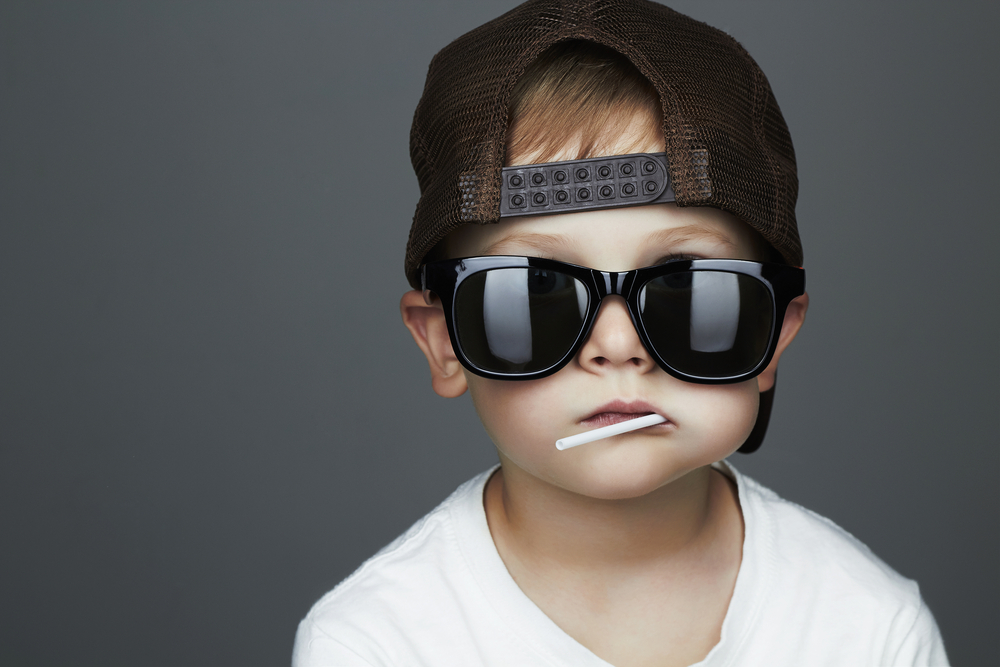
Every parent wonders the same thing at some point:
Who is my child when I’m not there?
On the playground. In the classroom. At a friend’s house.
Kids are constantly making social decisions—often without an adult in sight. And those moments can feel high-stakes: Will they follow the crowd? Will they be kind? Will they hold onto the values we’re trying so hard to teach?
In this episode of The Pediatrician Next Door, I explored this question with family therapist Dr. Erika Bockneck, host of Raising Souls: A Convo Podcast. And what came through clearly is this: kids aren’t choosing between fitting in and being themselves—they’re trying to learn how to do both at the same time.
Social Skills Start Earlier Than We Think
Long before kids are navigating peer pressure, they’re learning how relationships work. Babies tune into voices, facial expressions, and emotional tone. Toddlers learn by watching how adults interact. And in early childhood, everyday moments—family meals, unstructured play, bedtime conversations—become practice grounds for reading social cues.
But many kids today have fewer chances to simply be around people. Busy schedules, screens, and packed routines can unintentionally limit the casual interactions where social skills naturally develop. That means some kids arrive at school expected to “read the room” without much practice.
This isn’t a failure—it’s a gap. And gaps can be filled.
When Values Move From Rules to a Compass
Around age five, something important shifts. Kids begin moving from following rules because an adult is watching to forming their own internal sense of right and wrong. Instead of asking, What will my parents say? they start asking, What feels right to me?
This is where family values matter most—but not through lectures.
Values stick when kids see them modeled in small, everyday ways. Returning the item that wasn’t scanned at the store. Speaking kindly about others. Admitting mistakes. These moments quietly teach integrity far more effectively than long conversations ever could.
The Real Challenge: Belonging Without Losing Yourself
Peer pressure isn’t always about doing something “bad.” Often, it’s about wanting to belong.
Kids may laugh along with teasing. Join in behavior that doesn’t feel quite right. Stay silent instead of speaking up. The pull to fit in is powerful—and completely human.
The goal isn’t to raise kids who resist all influence. It’s to raise kids who can pause, notice what’s happening, and choose actions that align with who they are becoming.
That ability grows strongest when kids feel securely connected at home.
Why Connection Is the Protective Factor
The most important mental health buffer for children and teens is a strong parent relationship.
Kids need to feel liked—not just loved. They need adults who ask about their interests, laugh with them, and notice what they do well. They need to hear specific feedback: I saw how you handled that. I respect that choice.
When kids know they’re supported, they’re more willing to take social risks—and more capable of holding onto their values under pressure.
Think of yourself not as the person steering every move, but as the bumper pads in the bowling alley of life—there to keep things from going completely off the rails while your child learns how to roll the ball on their own.
The Bottom Line
Kids can balance peer pressure with values—but not perfectly, and not all at once.
They learn through connection. Through reflection. Through watching us live what we hope they’ll become.
And every small, ordinary moment counts more than we think.
Listen to the full podcast for more - scroll for link!
The Food Pyramid Is Back — Here’s What It Really Means