
How to Prevent Youth Sports Injuries
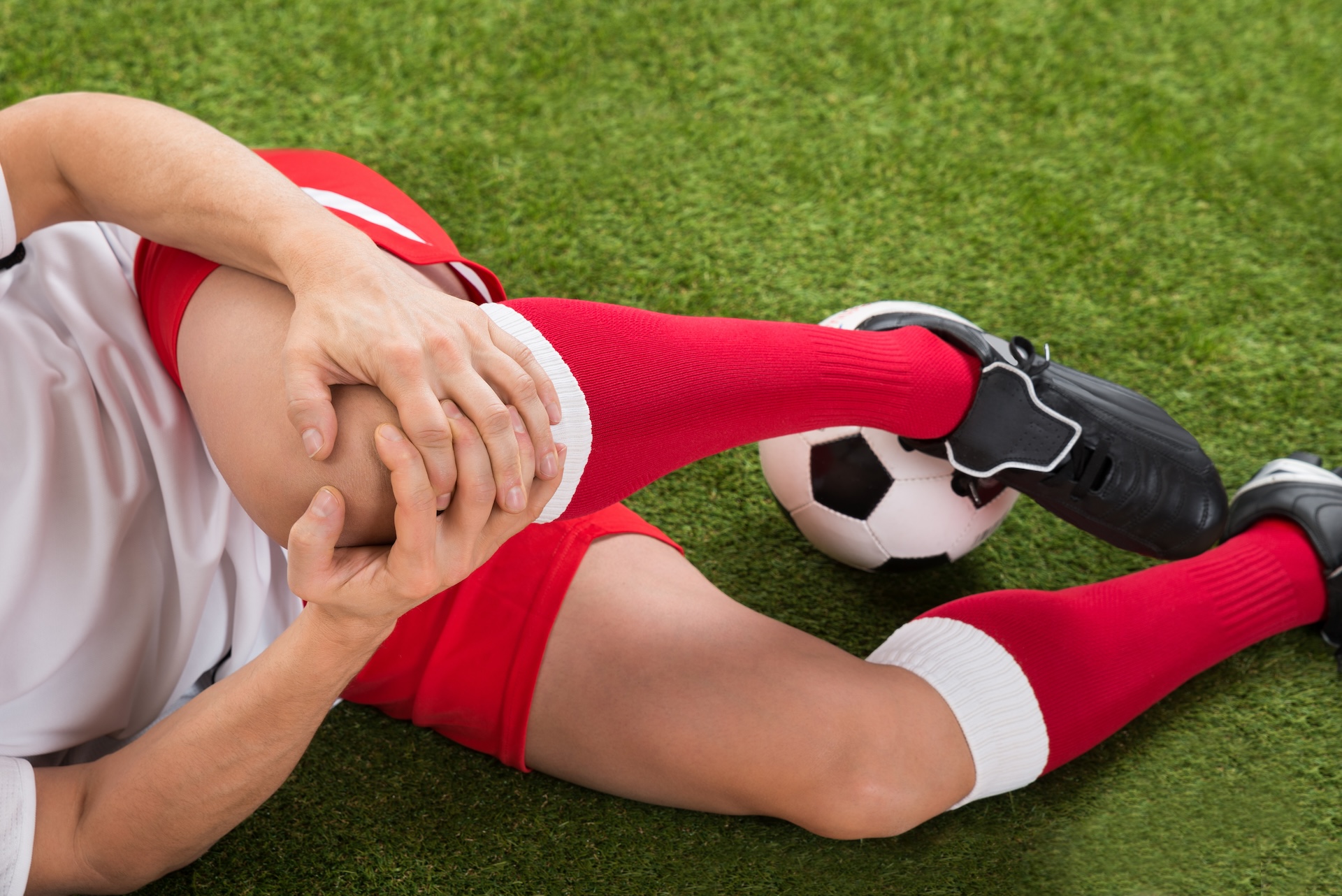
Knee injuries are now one of the most common serious injuries in student athletes, especially in middle school and high school sports that involve cutting, jumping, and pivoting. Sprains and strains still top the list overall, but injuries like ACL tears are happening more often—and at younger ages—than they did a decade or two ago.
Are we creating the conditions that make these injuries more likely?
The Specialization Trap
Many injuries don’t happen in one dramatic moment. They build quietly over time.
Year-round training.
One sport, no off-season.
Repetitive movements during growth spurts.
Early sport specialization often looks like dedication—and it usually comes from a place of love and opportunity. But biologically, concentrating the same stresses on the same joints while kids are still growing increases the risk of overuse injuries and serious breakdowns.
Variety matters. So does rest. And neither one erases talent or ambition.
Playing Through Pain
Another pattern I see constantly: kids who don’t want to come out of the game.
They don’t want to disappoint their team.
They don’t want to lose playing time.
They don’t want to fall behind.
So they normalize pain—and adults often do too.
But pain is information. And many season-ending injuries aren’t caused by the first hit or misstep. They happen when a child keeps playing on something that’s already compromised.
Coming out of a game to get checked isn’t quitting. It’s protecting the body that has to last.
Surgery Isn’t the Finish Line
When a serious injury happens, there’s often relief once there’s a plan—especially if that plan includes surgery. But even when surgery is necessary, it’s only one part of recovery.
True healing happens afterward:
Strength and conditioning
Physical therapy
Retraining movement and control
Allowing the brain and body to trust the joint again
Recovery is a team sport—and rushing it increases the risk of re-injury and long-term problems.
The Part No One Talks About: Long-Term Consequences
Here’s the piece that doesn’t get enough attention.
Kids who tear their ACLs have a much higher risk of developing arthritis later—even if surgery and rehab go well. That arthritis can show up in their 20s or 30s, decades earlier than expected.
When people say, “They can just get a knee replacement,” they don’t realize how limiting that is for a young adult—or how many future surgeries it can mean.
The real cost of a youth sports injury isn’t just a missed season. It’s pain, limitation, and lost movement years down the road.
So What Can Parents Do?
The answer isn’t pulling kids out of sports or parenting from fear. Sports are still incredibly valuable. They build confidence, resilience, and joy.
The goal is to shift the focus:
From how fast can they get back → to how well can they recover
From constant performance → to long-term health
From pushing through pain → to listening early
Normalize rest.
Value rehab.
Encourage variety.
Trust your instincts when something doesn’t feel right.
Because the real win of youth sports isn’t scholarships or trophies.
It’s raising kids who can still move, play, and love their bodies for decades to come.
🎧 Listen to the full episode of The Pediatrician Next Door for a deeper dive into why youth sports injuries are rising—and how parents can protect the long game of their child’s health.

FPIES - Food Allergy, Intolerance or Something Else?




